


Choosing the right fabric is one of the most important decisions when investing in a custom suit. The fabric affects not only how your suit looks, but also how it drapes, feels, and performs throughout the day. From seasonal considerations to the type of event, understanding your options ensures you get a suit that suits both your body and lifestyle.
Understanding Fabric Types
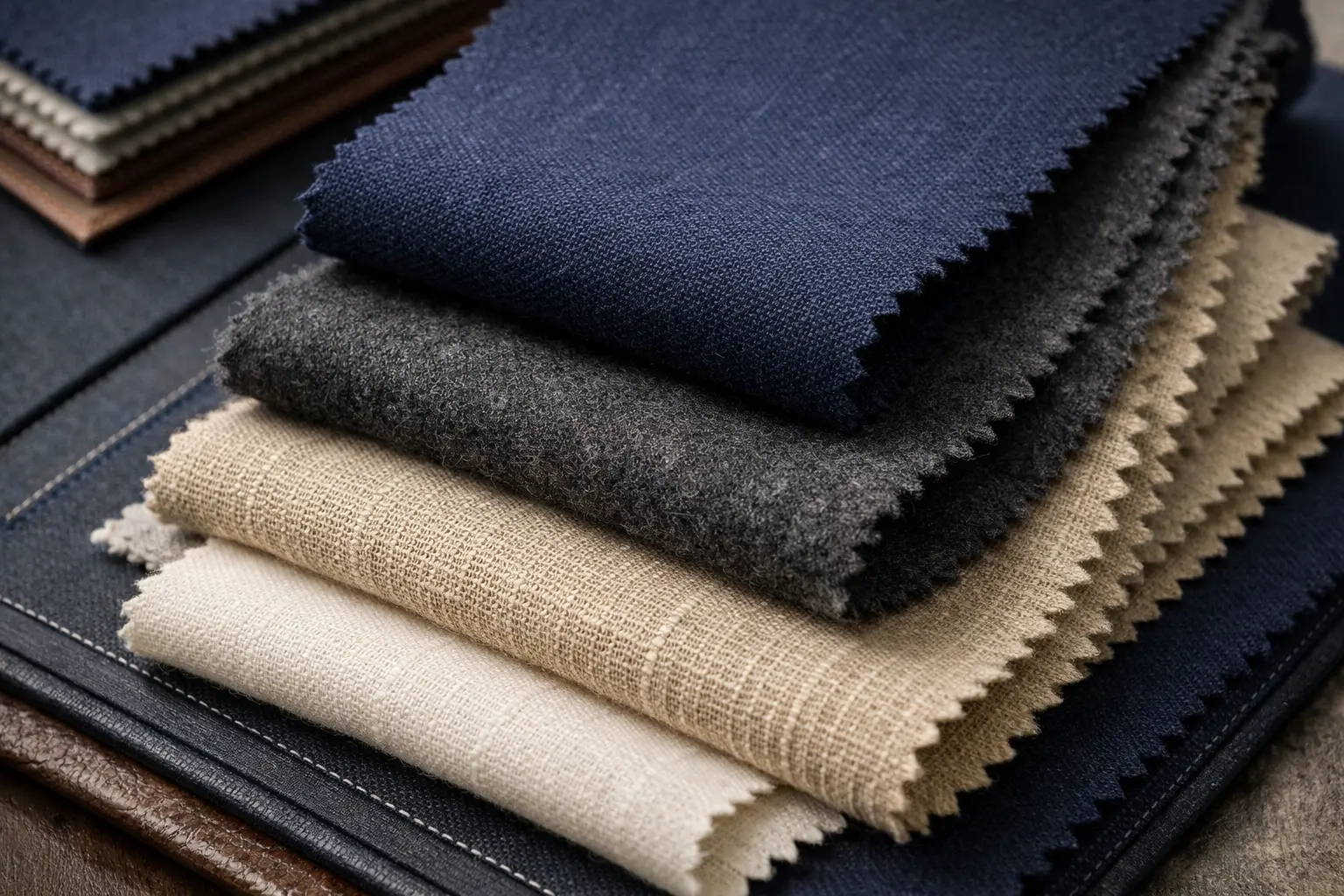
The world of tailoring offers a variety of fabrics, each with unique characteristics. Wool remains the most popular choice due to its versatility, breathability, and natural drape. Linen and cotton are excellent for summer wear, providing comfort and lightness. Silk and cashmere blends add luxury and softness, ideal for formal events or winter wardrobes.
Wool Varieties for Suits
Not all wool is created equal. Super 100s to Super 180s indicate fiber fineness—the higher the number, the softer and more luxurious the feel. While a Super 150s wool suit looks sleek, a Super 120s or 130s might be more durable for everyday wear. Merino wool is a popular choice for its balance of softness, resilience, and temperature regulation.
Seasonal Fabrics
Fabric choice often depends on the season. Lightweight wool, linen, and cotton are perfect for spring and summer, keeping you cool without sacrificing structure. Heavier wools, tweeds, and cashmere blends provide warmth during colder months, ensuring your suit maintains its shape and drape in any weather.
Fabric Weave and Texture
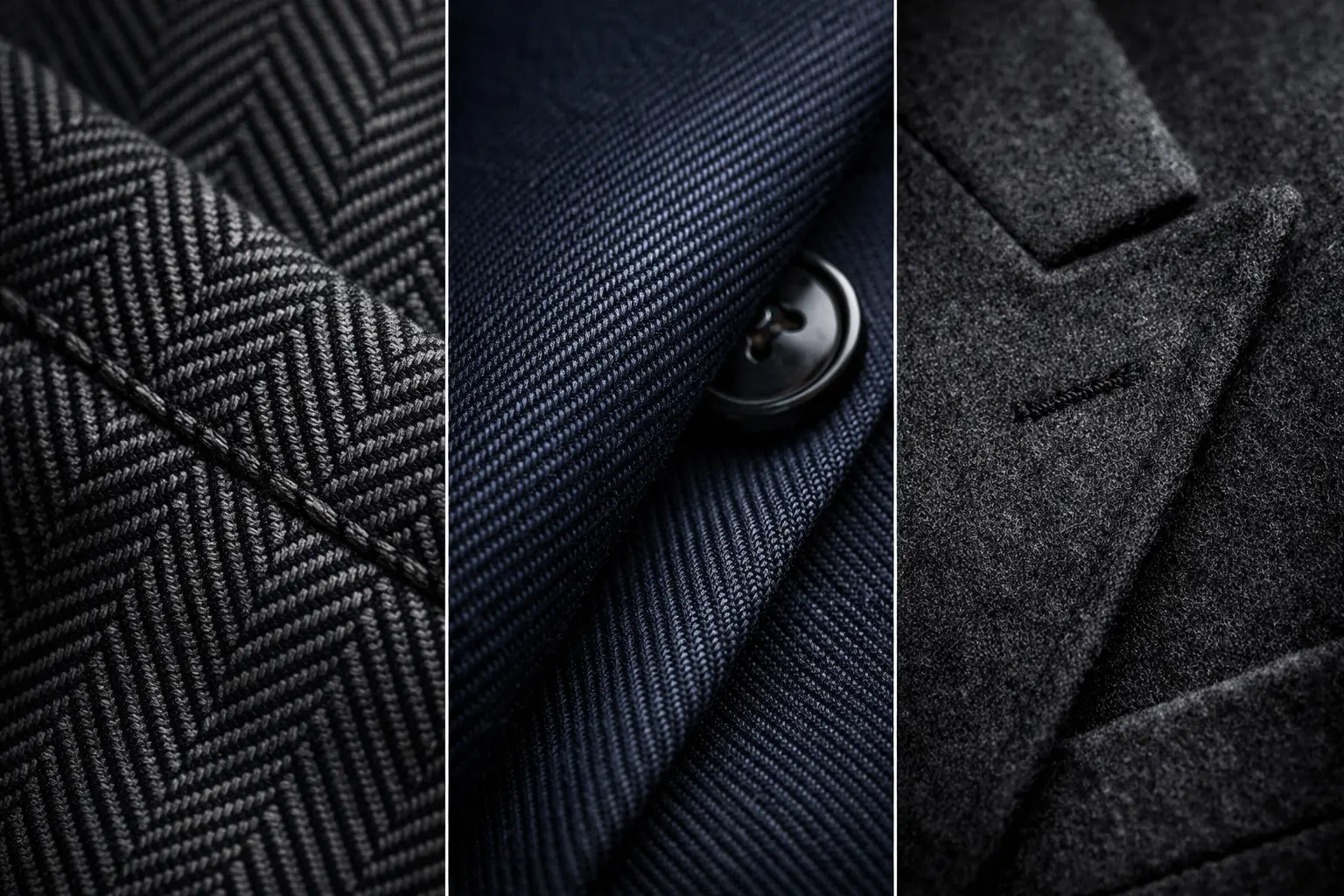
Weave patterns influence both appearance and performance. A plain weave is simple and classic, while twill or herringbone adds visual depth and durability. Flannel offers softness and a slightly matte finish, whereas worsted wool provides a crisp, smooth look. Consider your daily activities and wardrobe goals when selecting textures.
Choosing Colors and Patterns
Neutral colors like navy, charcoal, and black remain staples for professional wardrobes, offering versatility across settings. Patterns such as pinstripes, checks, or windowpane can express personality, but balance is key. Too bold a pattern might limit versatility, while subtle textures enhance elegance without overwhelming your style.
Specialty Fabrics and Blends
Luxury tailoring often incorporates blends like wool-silk or wool-cashmere. These fabrics combine durability with a soft hand-feel and natural sheen. End-bolt fabrics from premium mills like Loro Piana, Zegna, and Kiton offer exclusive colors and textures not widely available, giving your custom suit a unique signature.
Comfort and Fit Considerations
Fabric weight, elasticity, and breathability directly impact comfort. A suit that feels heavy or restricts movement can detract from your confidence. For daily wear, balance style with comfort, opting for fabrics that move with your body while maintaining structure.
Fabric Maintenance
Some fabrics require more care than others. Wool is generally resilient and easy to press, while linen wrinkles easily and may need more frequent attention. Blends often combine the best of both worlds, providing luxury without extensive upkeep. Consider your lifestyle before committing to a particular fabric.
How Fabric Impacts Suit Longevity
Investing in the right fabric extends the life of your suit. High-quality wools resist pilling, fading, and wear, ensuring your investment remains stylish for years. Choosing durable fibers for everyday suits and delicate blends for special occasions balances longevity with aesthetic appeal.
Working with Your Tailor
A knowledgeable tailor can guide you through the fabric selection process. Discuss your wardrobe needs, lifestyle, and budget. Sampling swatches and draping fabrics on your body helps visualize how the suit will look and feel. This collaborative approach ensures your custom suit is both stylish and practical.
Making the Right Choice
When choosing a fabric, consider purpose, season, comfort, and style. Don’t be swayed by the trendiest options alone—select materials that suit your lifestyle, occasions, and personal taste. Your ideal fabric will support your wardrobe goals and make your custom suit a reliable go-to for years to come.
If you’re searching for custom suits Baltimore, visiting a tailoring studio allows you to feel and compare fabrics before making a decision.
Conclusion
Selecting the perfect fabric is crucial for a custom suit that fits well, looks refined, and lasts. By understanding fabric types, seasonal variations, textures, and blends, you can make informed decisions. Collaborate with your tailor to ensure your fabric choice complements your style, needs, and investment.
FAQs
- What is the most versatile fabric for a custom suit?
Wool, especially Merino, is versatile, breathable, and suitable for most seasons and occasions. - Can I mix fabrics in one suit?
Yes. Many luxury tailors offer combinations like wool-silk or wool-cashmere for comfort and aesthetic appeal. - How do I know which fabric is right for my climate?
Lightweight wool, cotton, and linen are ideal for warm climates. Heavier wool, tweed, or cashmere blends are better for colder regions. - Do fabric choices affect suit longevity?
Absolutely. High-quality fibers resist wear and maintain drape, while delicate fabrics may require extra care. - Should I prioritize comfort over style?
Ideally, select a fabric that balances both. Comfort ensures confidence, while style reflects personal and professional image.